Surgeons and medical professionals understand that the success of any procedure often relies on the quality of the tools in hand. Hemostasis, or the stopping of blood flow, is a critical component of nearly every operation. Among the vast array of instruments designed for this purpose, one tool stands out for its robust grip and reliability. The specific utility of this instrument and why sourcing high-quality surgical tools cocher clamp is vital for patient outcomes. We will examine the design, function, and importance of selecting the right equipment for your medical practice.
Understanding the Design of a Heavy Hemostat
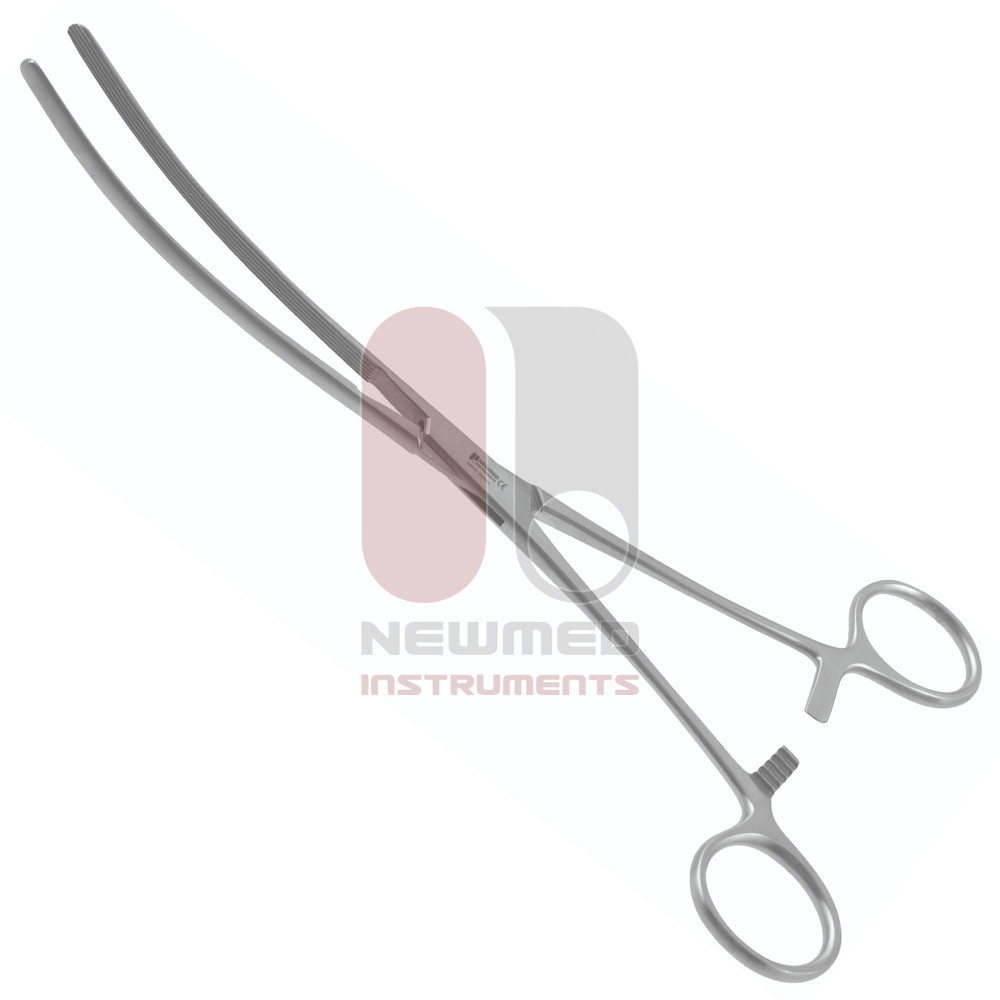
The instrument in question is a heavy, straight or curved hemostat characterized by its traumatic, toothed tip. While often referred to by various names in medical literature, the specific design features of a cocher clamp make it unique in the operating room. It typically features transverse serrations along the full length of the jaw, ending in 1x2 teeth at the tip. These teeth are designed to interlock, providing an incredibly secure hold on heavy tissue or fascia. Unlike delicate hemostats used for fine vessels, this robust tool is built for strength. The locking mechanism, or ratchet, allows the surgeon to clamp down and leave the instrument in place, freeing their hands for other tasks. This specific design ensures that once the tissue is grasped, it will not slip, which is crucial during surgeries where tissue retraction or secure occlusion is necessary.
Primary Surgical Applications and Uses
Medical professionals utilize this instrument in a variety of aggressive surgical contexts. Because the toothed tip can cause tissue damage, it is rarely used on delicate structures like intestines or nerves. Instead, the cocher clamp finds its primary role in grasping tough, slippery tissues that need to be removed or permanently secured. For example, it is frequently employed in orthopedic surgery to grasp muscle or fascia, or in general surgery to hold the abdominal wall fascia during closure. In procedures like a clamp vascular satinsky thyroidectomy, it helps in grasping the thyroid gland itself. Its ability to provide a non-slip grip makes it indispensable for controlling bleeding from heavy vessels or for retracting dense tissue that would otherwise slip out of a standard hemostat. The aggressive nature of the teeth is a calculated trade-off for the security of the hold it provides.
The Importance of Material Quality in Surgical Tools
The durability and precision of surgical instruments are directly linked to the materials used in their manufacturing. High-grade stainless steel is the standard for a reason. It resists corrosion, withstands repeated sterilization cycles, and maintains structural integrity under stress. When a surgeon reaches for a cocher clamp, they need to trust that the ratchet will lock securely and the jaws will not misalign. Poorly manufactured instruments can fail at critical moments, leading to surgical complications or increased operative time. New Med Instruments prioritizes the use of superior materials to ensure that every tool meets the rigorous demands of the operating room. This commitment to quality means that healthcare professionals can focus entirely on their technique and the patient's well-being, rather than worrying about equipment failure.
Supporting Surgeons and Students Globally
The journey from a medical student to a seasoned surgeon involves years of practice and the gradual refinement of technique. Access to reliable instruments is essential at every stage of this career path. Students need accurate tools to learn proper handling and tissue manipulation, while experienced surgeons require precision instruments to execute complex procedures with confidence. New Med Instruments serves this diverse community by providing products that cater to specific surgical needs across the globe. Whether a professional is establishing a new practice or expanding their surgical repertoire, having a dependable cocher clamp in their instrument tray is a small but significant part of ensuring readiness. By supplying superior service and quality products, the company empowers healthcare providers to deliver the best possible results for their patients.
Choosing the Right Partner for Surgical Supplies
Selecting a supplier for medical instruments is a decision that impacts the daily efficiency of a healthcare facility. It is not merely about purchasing a product but about investing in long-term reliability and service. Surgeons and procurement officers must look for suppliers who understand the nuances of surgical procedures and the specific requirements of tools like the cocher clamp. New Med Instruments stands out by offering a comprehensive range of surgical solutions tailored to meet these precise standards. By bridging the gap between manufacturing excellence and clinical necessity, they ensure that medical professionals worldwide have access to the tools they need to save lives and improve patient health.
Conclusion
The right surgical instrument acts as an extension of the surgeon's hand, translating skill into successful patient outcomes. From its aggressive grip to its robust design, the hemostat discussed here plays a vital role in managing tough tissues and controlling bleeding. Ensuring you have high-quality tools from a trusted provider like New Med Instruments can make a significant difference in the operating room. As you continue to refine your surgical practice, prioritize equipment that offers the precision and durability your patients deserve.